
Here’s a slightly dangerous question:
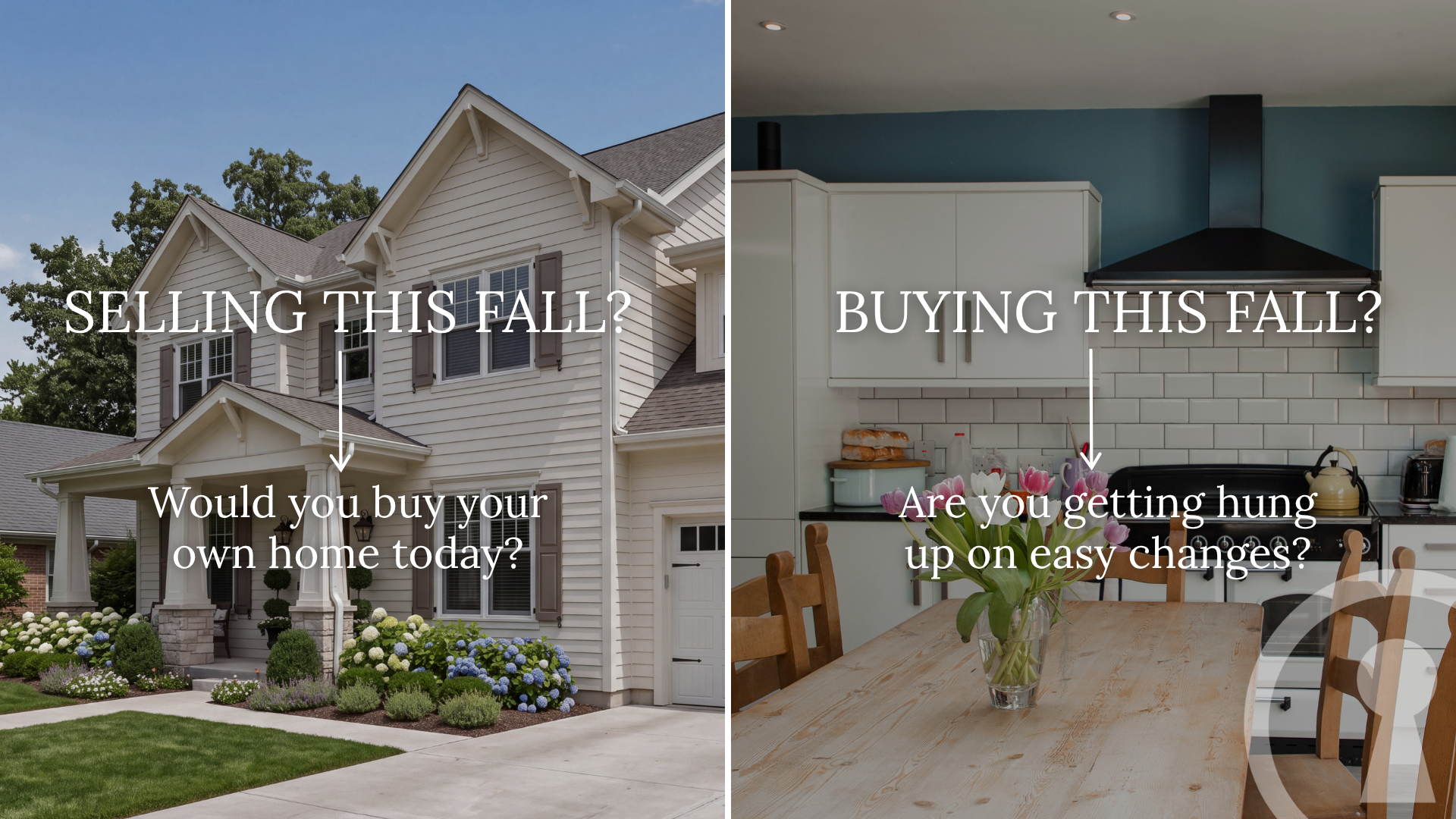
If you walked into your house today as a buyer, would you want to buy it?
Not the version you remember from move-in day. Not the version you know it could be after a weekend of cleaning, painting and finally fixing that one cabinet.
The house exactly as it sits right now.
It’s a useful question for homeowners — but it’s also a pretty good exercise for buyers, because the things that make us hesitate about a house aren’t always the things that matter most.
Homeowners: Try Seeing Your House Like a Buyer
Living in the same place every day does something funny to us: eventually, we stop seeing it.
The scuffed wall by the stairs becomes invisible. The landscaping gets a little overgrown. The pile on the kitchen counter somehow graduates from “temporary clutter” to permanent decor.
A buyer sees all of it with fresh eyes.
So start at the curb and pretend you’ve never been there before. Does the house feel cared for? Is the entry inviting? Does the first room you walk into feel bright, comfortable and functional?
Then keep going.
Open closets. Turn on lights. Sit in rooms instead of just walking through them. Notice the things you’ve learned to work around — the door that sticks, the room nobody uses, the lighting you hate but stopped noticing three years ago.
You may find a handful of easy fixes that make your home feel noticeably better.
Or you may realize the issue is bigger than paint and hardware — maybe your family has outgrown the layout, you need a real office, or the house simply doesn’t work the way it once did.
Either way, that’s useful information.
Buyers: Don’t Confuse “I Don’t Like This” With “This Is a Bad House”
Now flip the exercise.
When buyers walk into a home, everything is new — which means everything gets equal attention when it probably shouldn’t.
A paint color you hate can feel enormous during a ten-minute showing.
Ugly light fixtures can make an otherwise great room feel dated.
Bad furniture placement can make a room seem smaller than it is.
Those things are noticeable. But they’re also usually easy to change.
What deserves more attention are the things that are much harder — or impossible — to change:
The location. The lot. The floor plan. Natural light. Room sizes. Storage. How the house flows.
A buyer who can separate the cosmetic from the fundamental has a big advantage.
That doesn’t mean ignoring condition or making excuses for a house with real problems. It just means asking a better question than, “Do I love everything I see?”
Ask:
“Could this house work really well for me?”
The Same House Can Look Very Different Depending on Who’s Looking
Homeowners tend to stop noticing things.
Buyers tend to notice everything.
The sweet spot is somewhere in the middle.
If you own a home, occasionally seeing it through a buyer’s eyes can help you figure out what’s worth improving now — even if you have no plans to sell.
And if you’re buying, learning to look beyond someone else’s paint colors, furniture and decorating choices can help you spot a great house that another buyer might overlook.
Because whether you’re staying, selling or searching, the goal is pretty much the same:
Figure out what actually matters — and don’t let the little stuff distract you from it.
Check out this article next