

Downsizing can feel like a much-needed fresh start, but moving into a smaller home also comes with challenges. Letting go of your belongings and adjusting to a smaller living space can be emotionally taxing, especially if it’s happening at the same time as other life transitions.
If it’s time for you to downsize, approach the process with an open mind and a carefully planned strategy. Here are nine tips for downsizing without regret:

1. Know why you want to downsize.
If you’re downsizing for no reason, you’ll have no motivation to declutter and reorganize your life. Understanding your “why” will give you the drive you need to successfully downsize.
Maybe you need to adjust to single-floor living as you enter your retirement years. Maybe your kids have just moved out and you’re looking forward to less chaos and fewer chores at home. Maybe you’ve decided to simplify your life to achieve a financial goal.
Think about all the benefits that will come with downsizing, and keep those perks in mind as you move through the process. Consider writing your purpose down on paper or creating a vision board to help you stay motivated.
2. Start early.
Starting the process of decluttering as early as possible is the best way to successfully downsize. You need plenty of time to think through your choices so that you’re sure you’re keeping and letting go of the right items. If you’re short on time, you’ll end up throwing everything into boxes to deal with later. Then, your new home will be overflowing with clutter.
You can start downsizing months or even years before you move. Set aside an hour or two each week to tackle one corner of one room. The project will be much easier when you work on it in tiny steps over time.
3. Map out the new home.
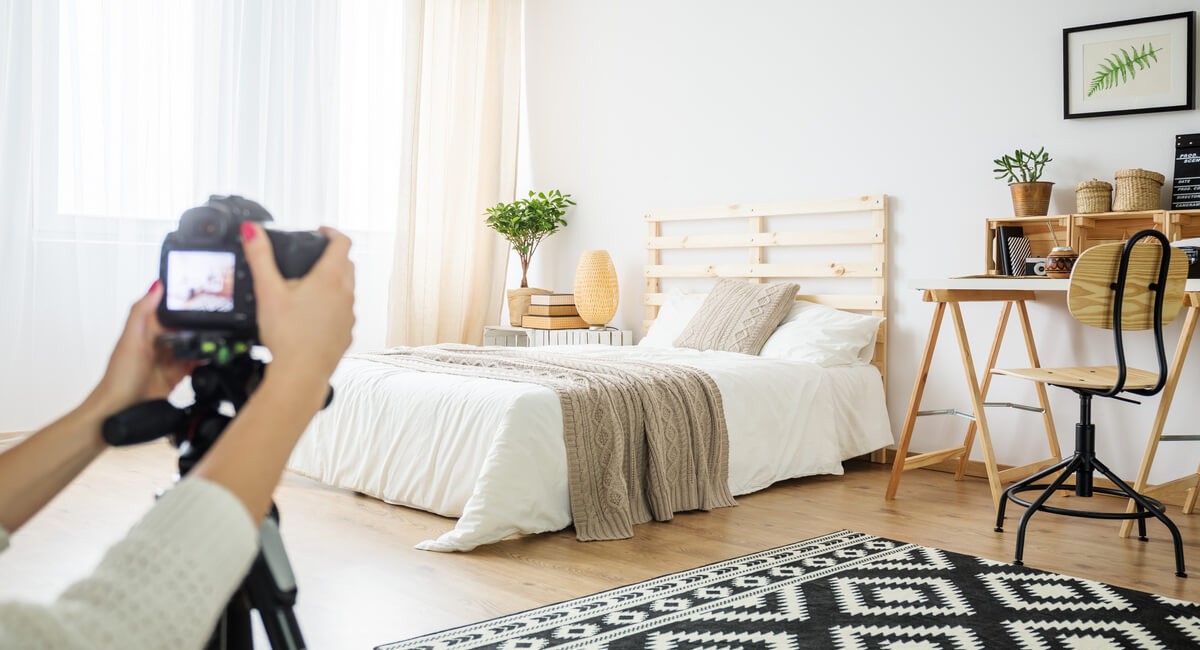
As soon as you know where you’re moving, start mapping out your new home. This can start as a mental map of what furniture and items belong to each room. As your move gets closer, consider creating a paper map of the house to make sure everything will fit correctly.
Consider the dimensions of each room as well as the closets, the height of the ceiling, and extra storage spaces like a garage or attic. In addition to planning where to place your furniture, map out where you’ll store all of your belongings, including dishes, clothes, and tools.
4. Start with impersonal items.
As you start the decluttering process, stay away from sentimental or emotional items. You can address these belongings later, but it’ll be far easier to begin with impersonal things. The following are some of the areas that most people find easiest to declutter:
- Kitchen junk drawers
- Pantry
- Bathroom cabinets
- Linen closet
- Office filing cabinet
Sorting through the items in these areas will probably feel simple. Get rid of expired food and cosmetics, things you haven’t used in over a year, and items that are falling apart. The excitement and relief you feel from downsizing these areas will carry you through the discomfort of downsizing more sentimental items, like clothing, books, or keepsakes.
5. Hold onto the “maybes.”
You don’t have to get rid of everything you love in order to downsize. If you’re unsure of whether you should keep or discard something, hold onto it for a while. This is why starting early and taking your time is so important.
Set aside a box or a section of your closet to hold your “maybe” items. Wait a couple weeks before revisiting the items to reassess them. Consider whether the item would be easy to replace or borrow if you need it in the future. If the item serves a practical purpose or holds a lot of sentimental value, it may be worth keeping.

6. Don’t downsize when stressed or tired.
Downsizing and decluttering can be mentally exhausting, so you don’t want to work on the project when you’re already tired. If you’re not feeling well, you might make a rash decision about decluttering that you’ll later regret. Alternatively, you could have a hard time parting ways with items when you’re not at your best.
Think about your daily and weekly routines and when you tend to feel the most calm and motivated. Some people want to declutter as soon as they wake up, and others prefer tackling a project in the evening before bed. You might want to add a few minutes of decluttering to your weekday routine, or you may decide to set aside a few hours every weekend for the project.
7. Offer items to family and friends.
Parting ways with your belongings can feel easier when you know they’re going to a good home. While you shouldn’t push unnecessary items on your family and friends, you can always ask them if they could make use of something you’re trying to get rid of.
Clothing, dishes, furniture, and tools can all be practical and valuable secondhand items. If you need to get rid of family heirlooms or sentimental items while downsizing, you could offer these to your relatives as well. Your children, nieces or nephews, or even grandchildren may be thrilled to receive a family keepsake.

8. Decide whether to keep or replace your furniture.
When moving into a smaller home, you’ll almost certainly have to get rid of some of your furniture. First, consider the dimensions of each room in your new house. Measure your furniture, and see what will fit in the new space. Start by donating or selling anything that’s too large or doesn’t have an obvious place in the new home.
Then, you can decide whether to keep or get rid of your remaining furniture. You may want to replace bulkier items with lighter and simpler pieces to accommodate the smaller living space. Also, consider what you’ll truly need for furniture. For instance, when downsizing, you may no longer need a huge dining table or multiple couches.
9. Prevent clutter from re-entering your life.
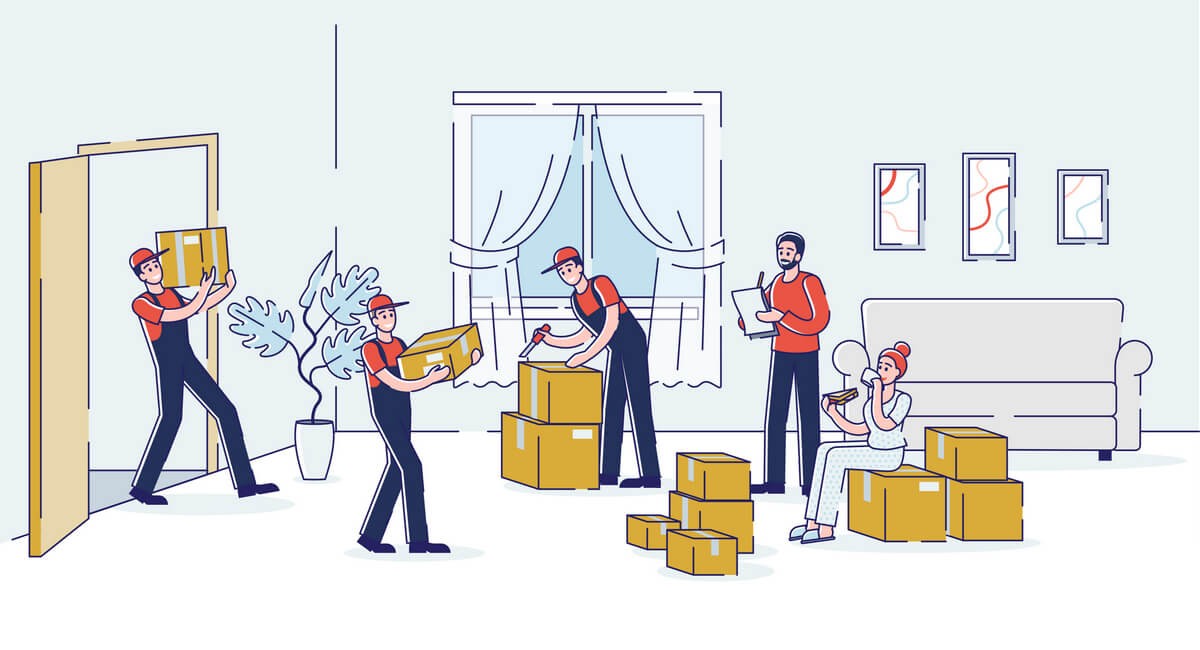
Once you’ve downsized, your next challenge is to maintain your new, simpler lifestyle. It can be very easy for clutter to re-enter your home and overtake your space. Be thoughtful and intentional when you purchase new items, and regularly sort through your belongings to get rid of things you no longer need.
Downsizing With Confidence
The process of downsizing can be stressful, but adjusting to simpler living comes with many benefits. If you’re planning to downsize, start decluttering as early as possible. Let go of the things that no longer add value to your life, and fill your new home only with the items that bring you joy and purpose. Be strategic in your approach so that you don’t make any rash decisions, and always remember your reasons for downsizing.